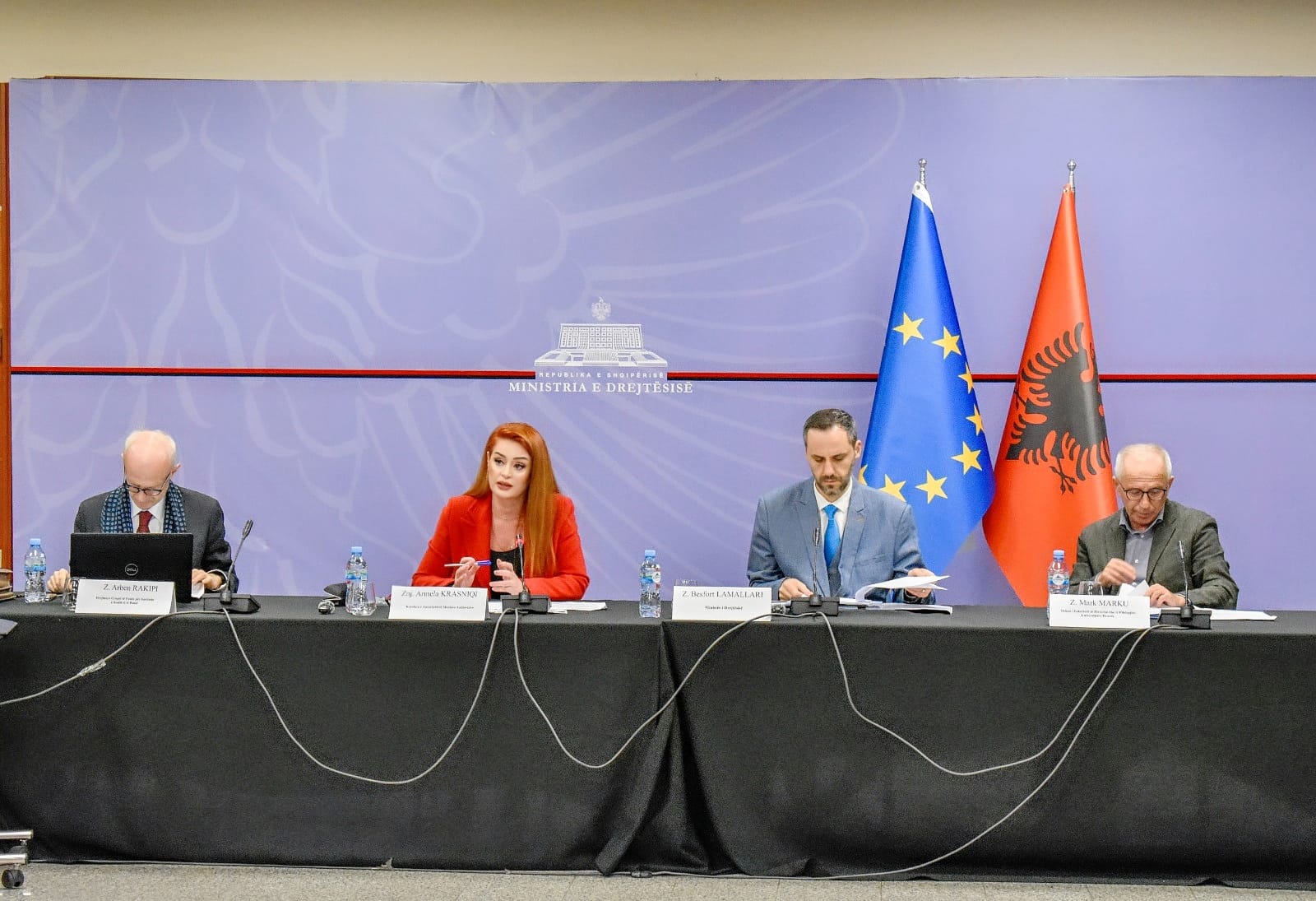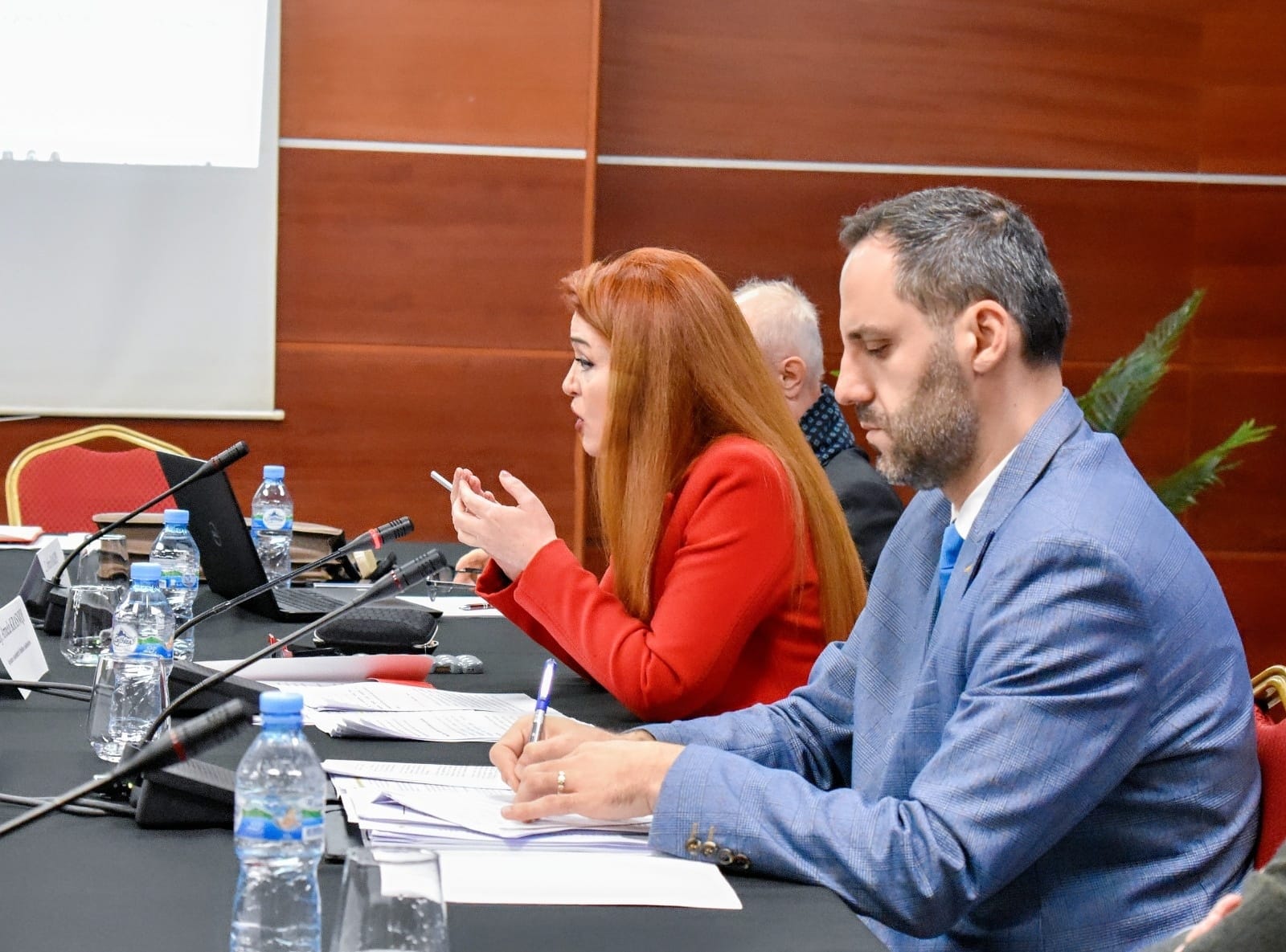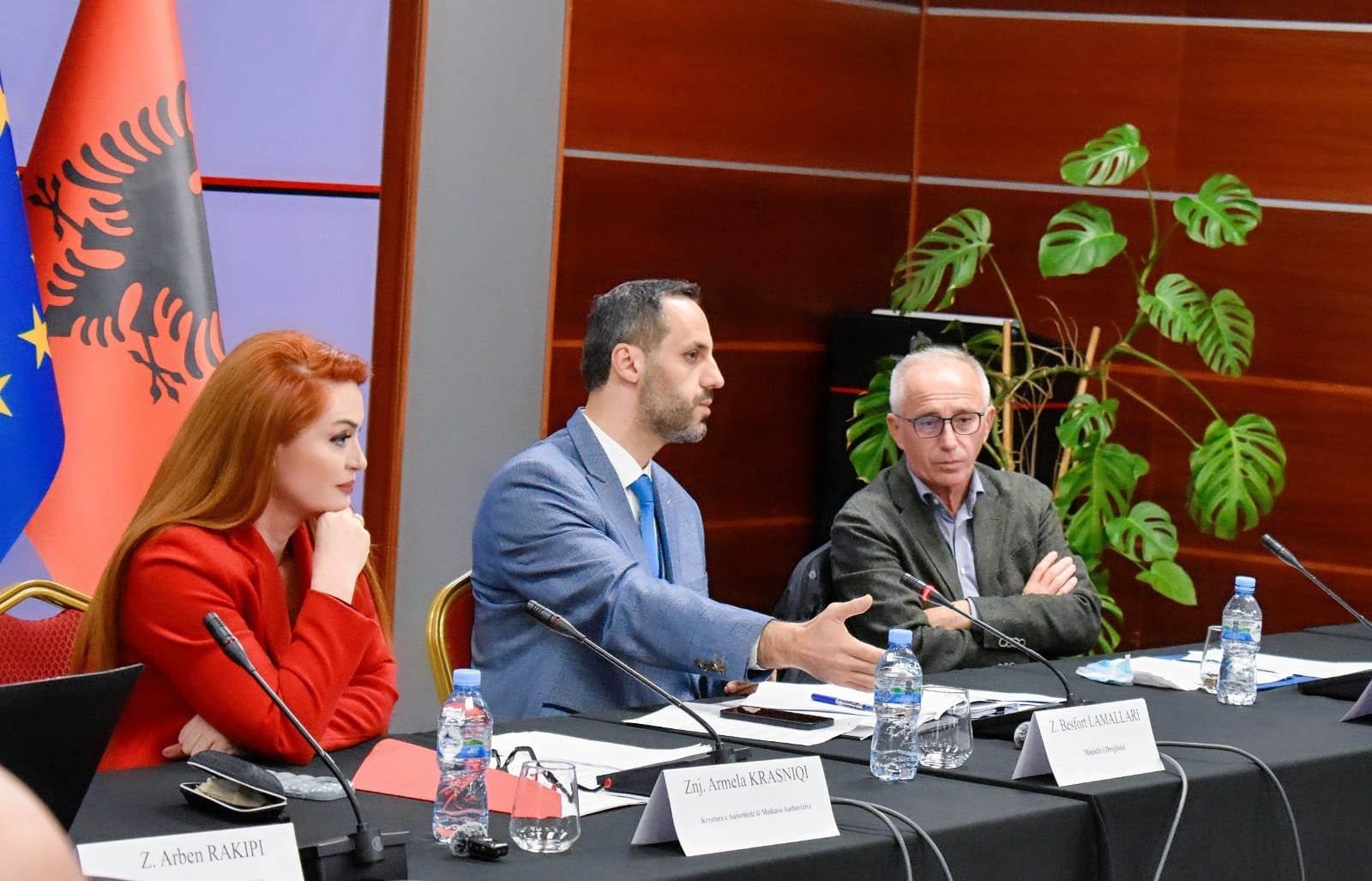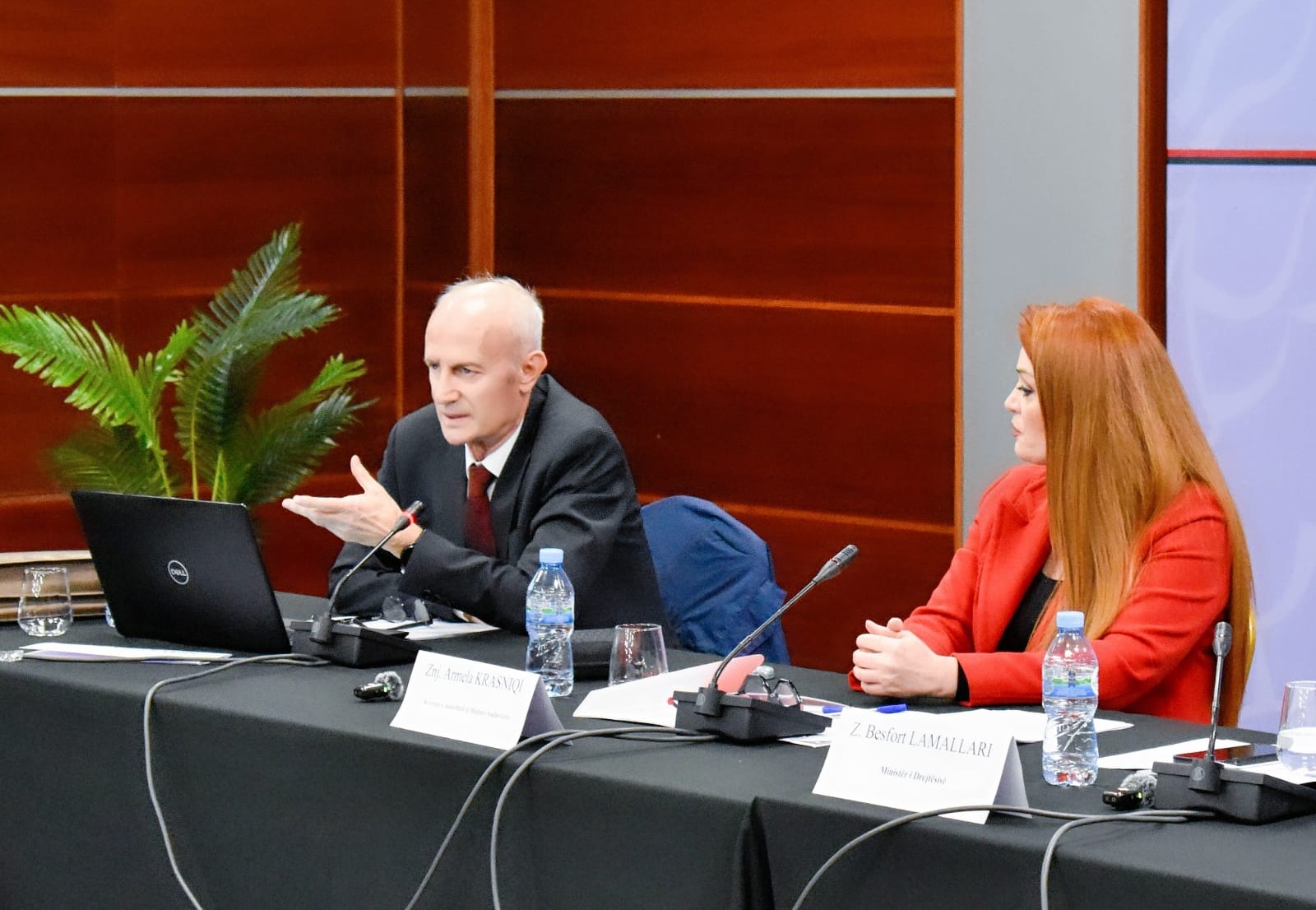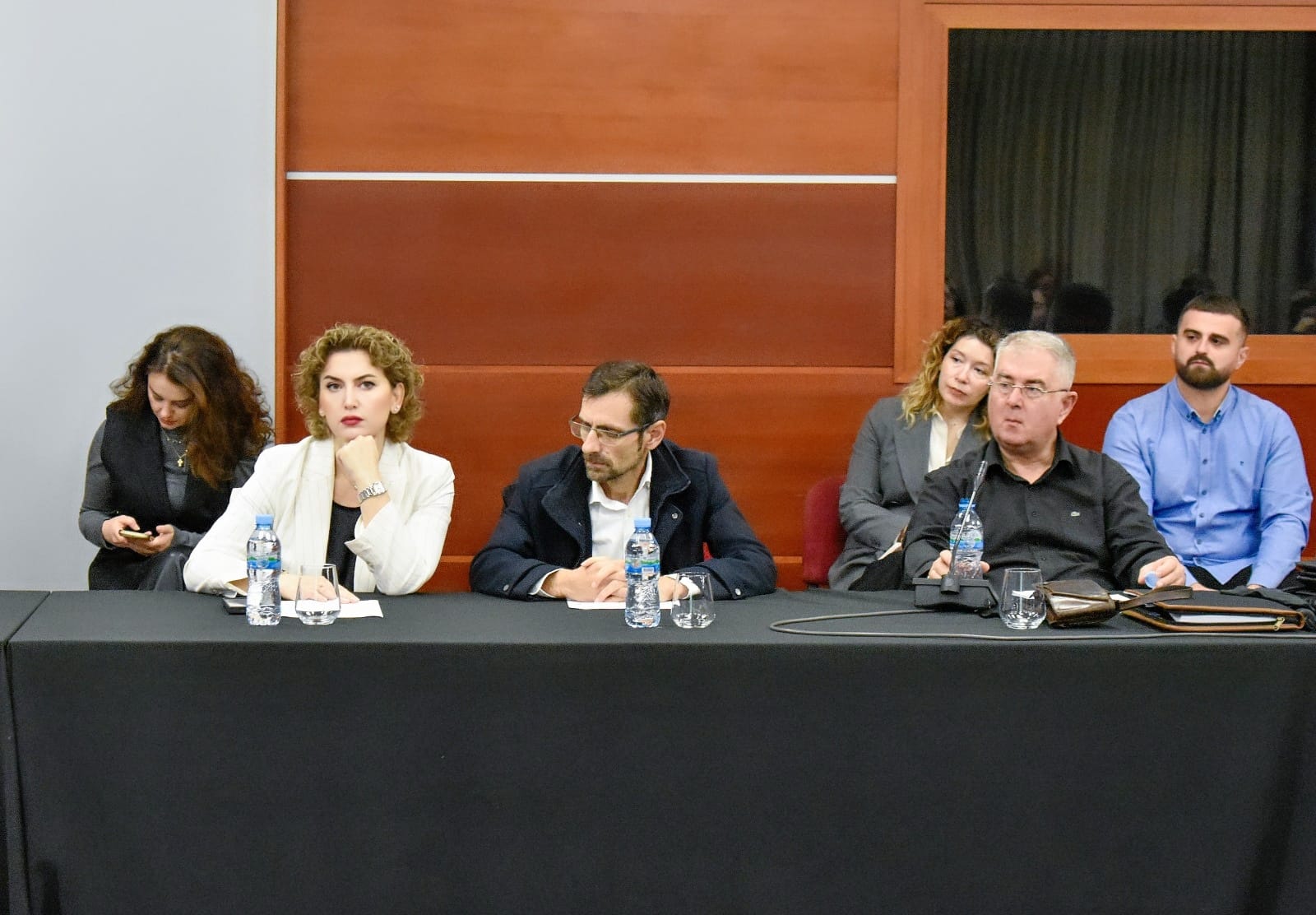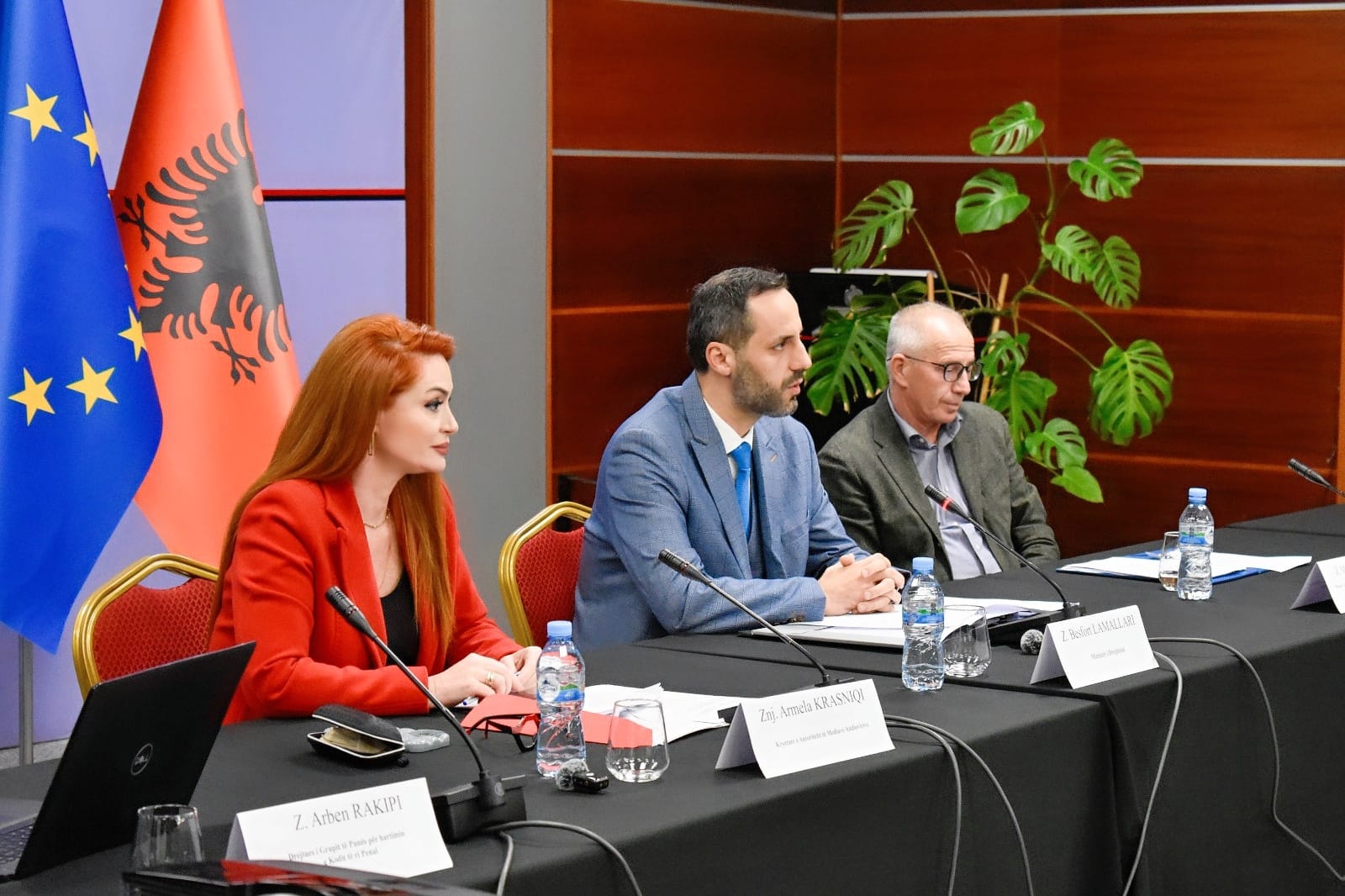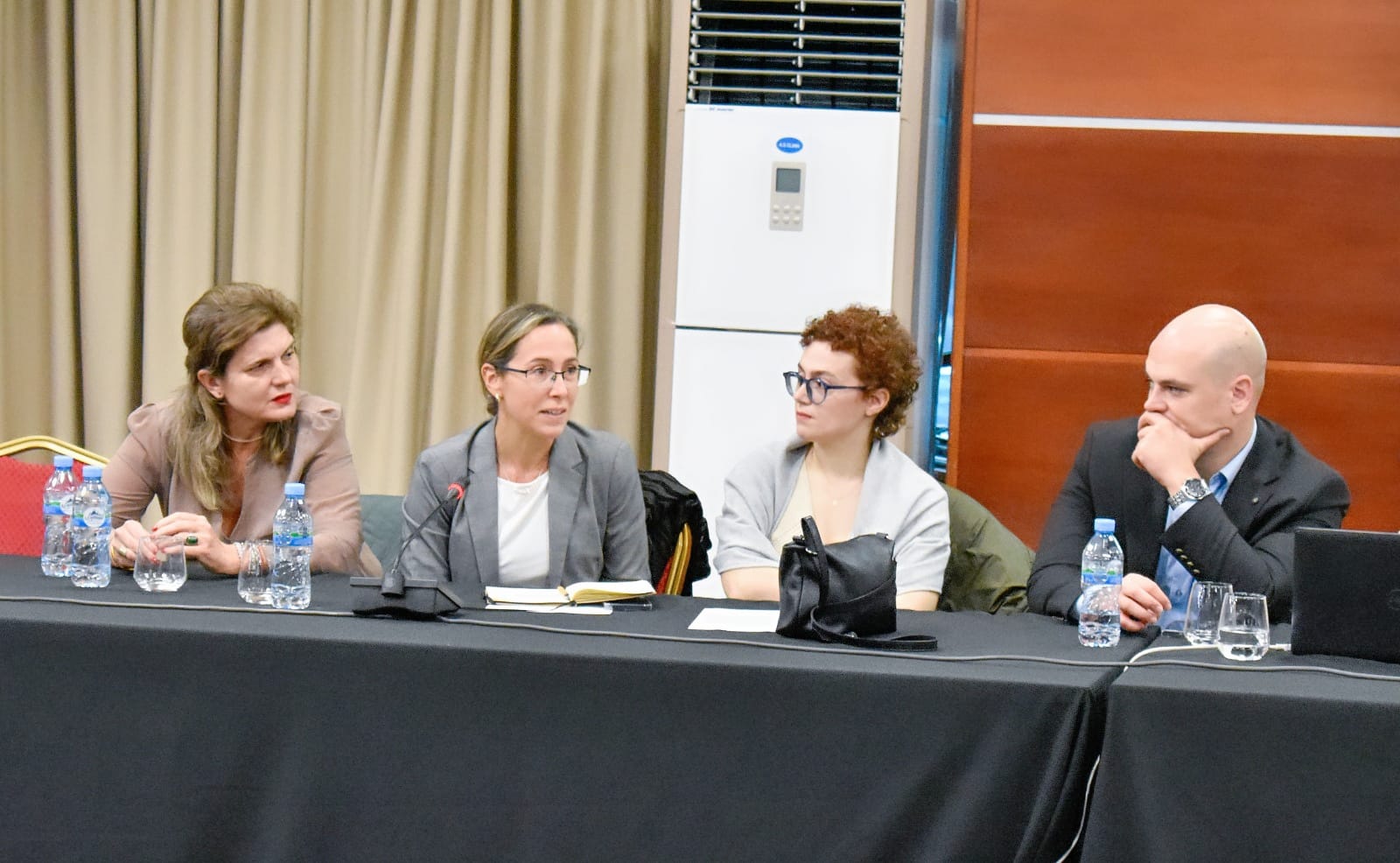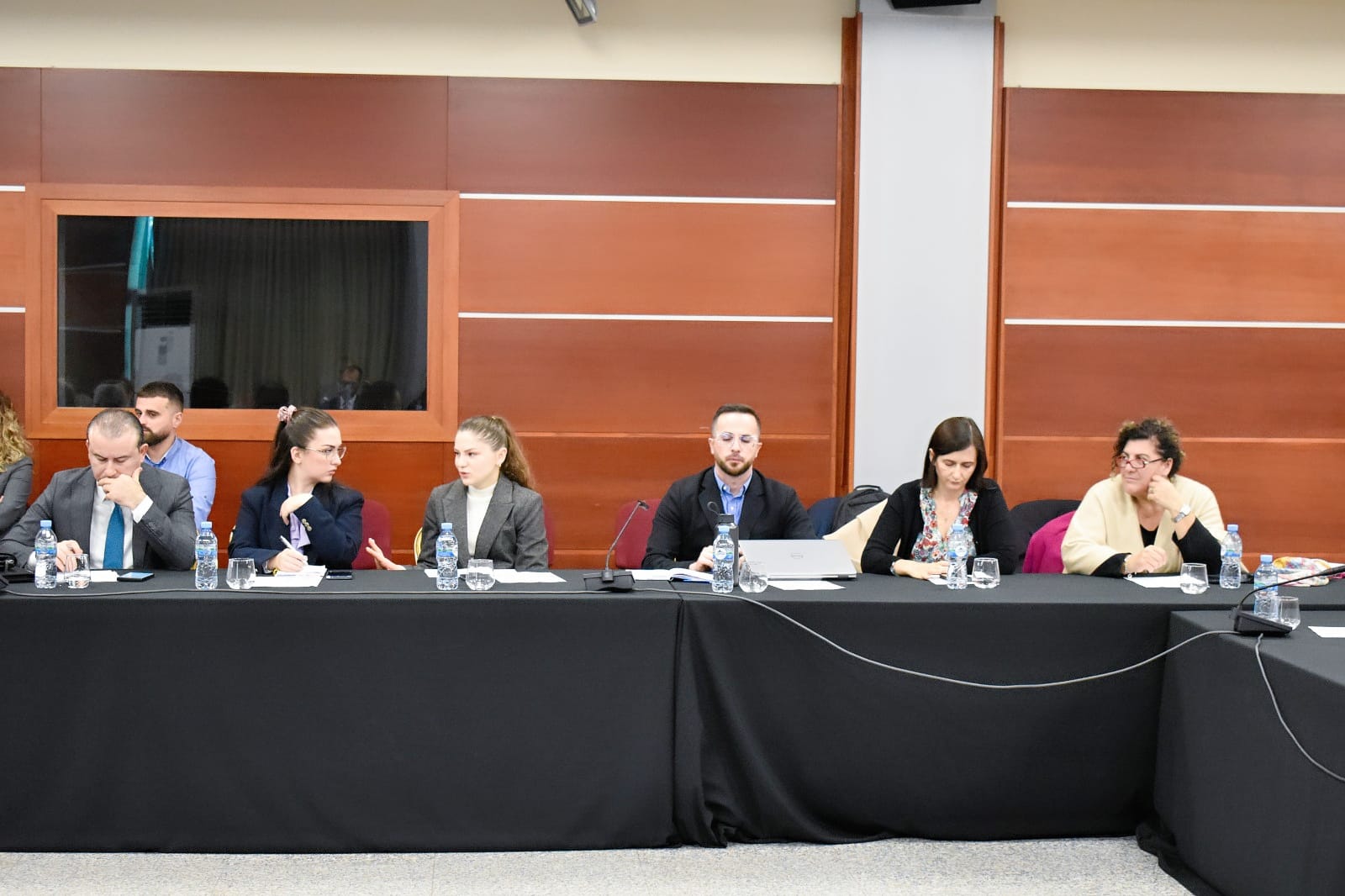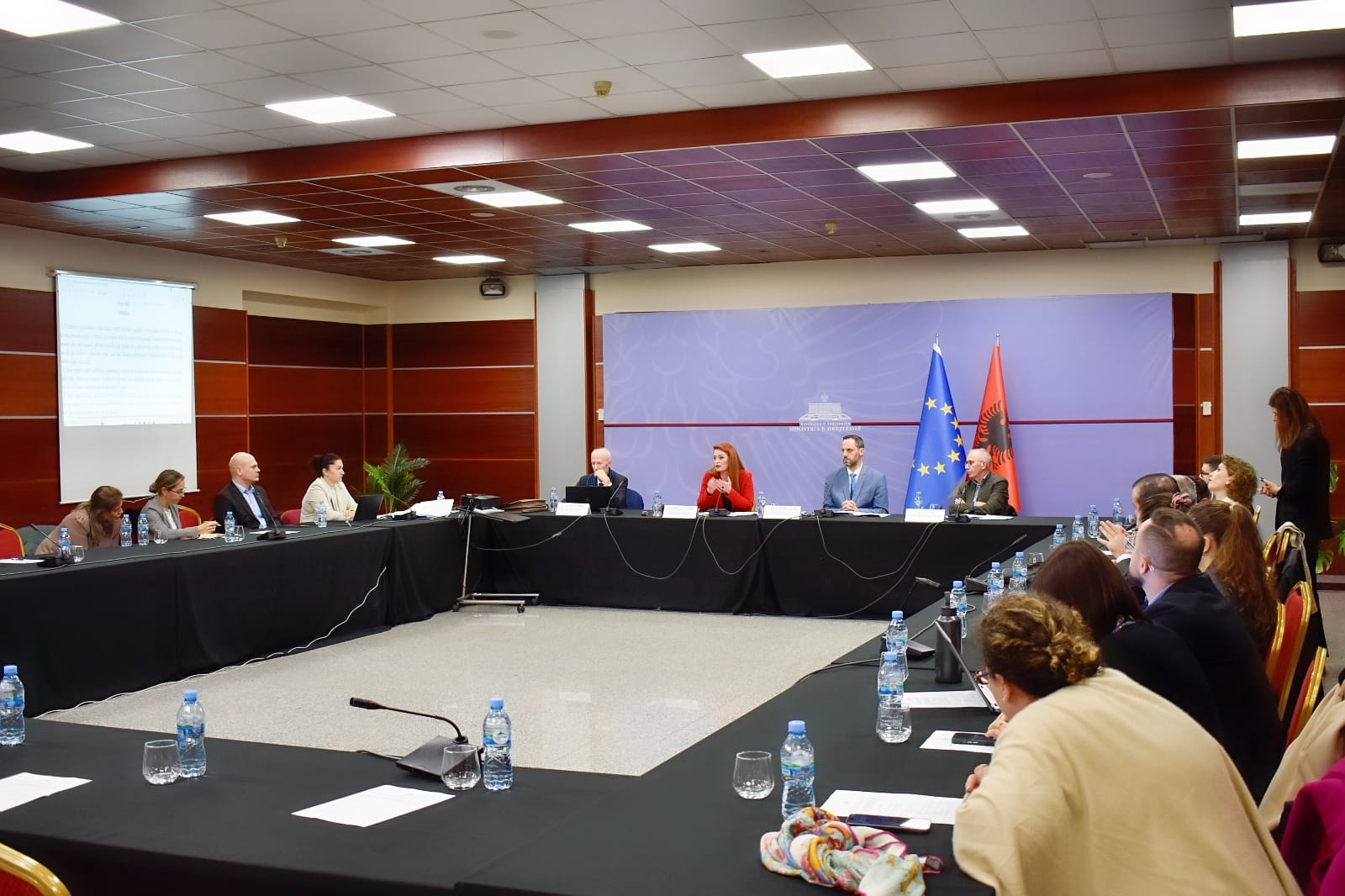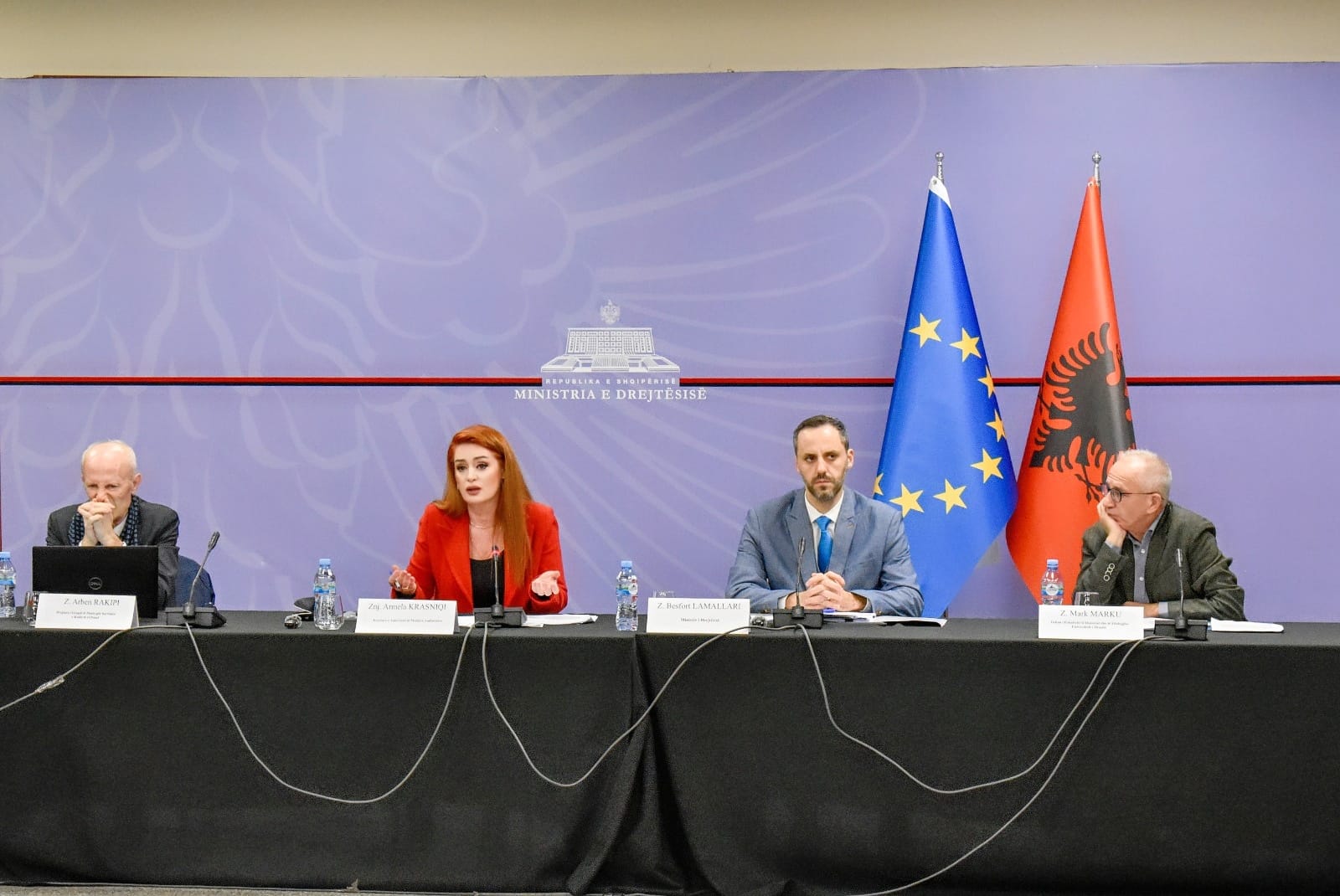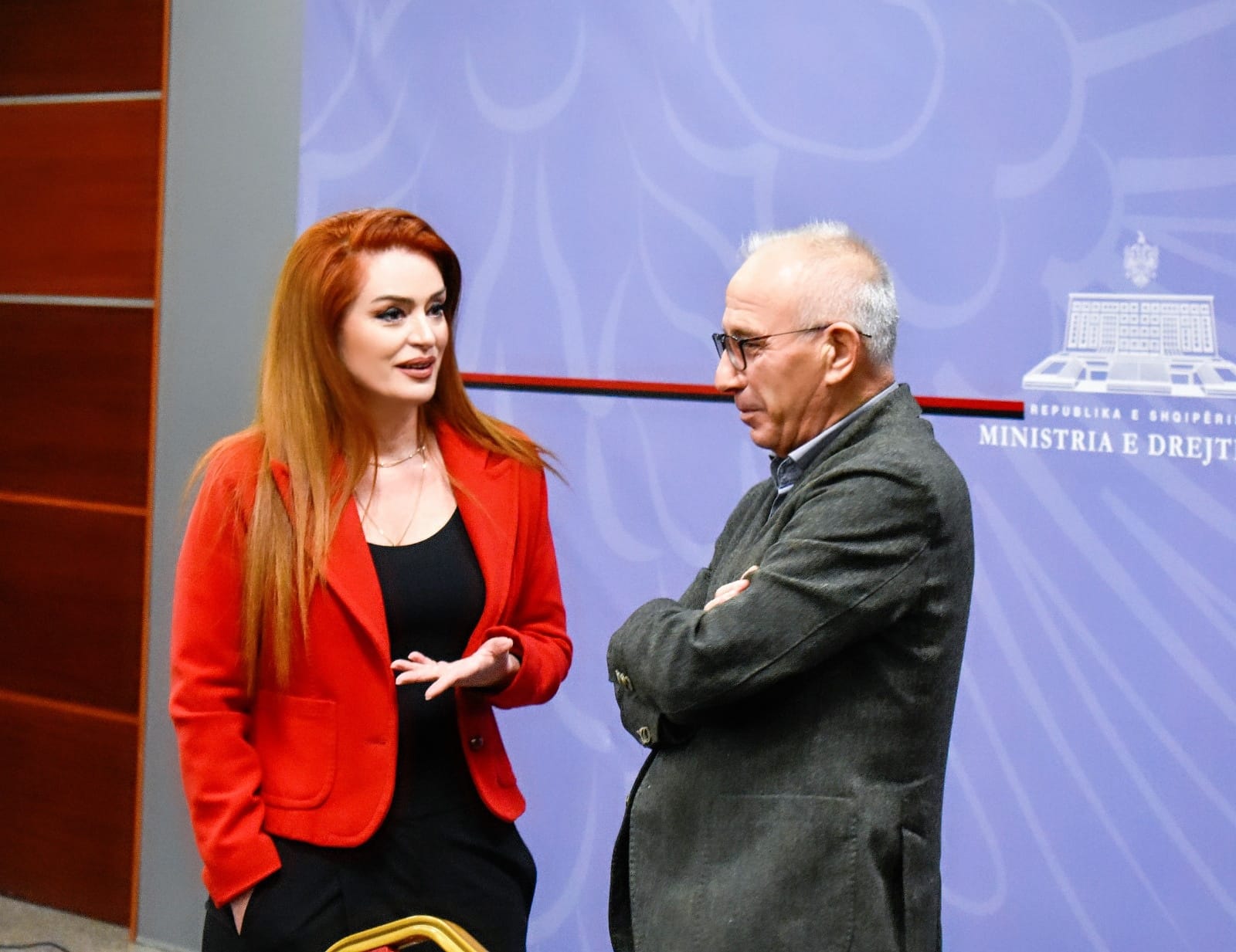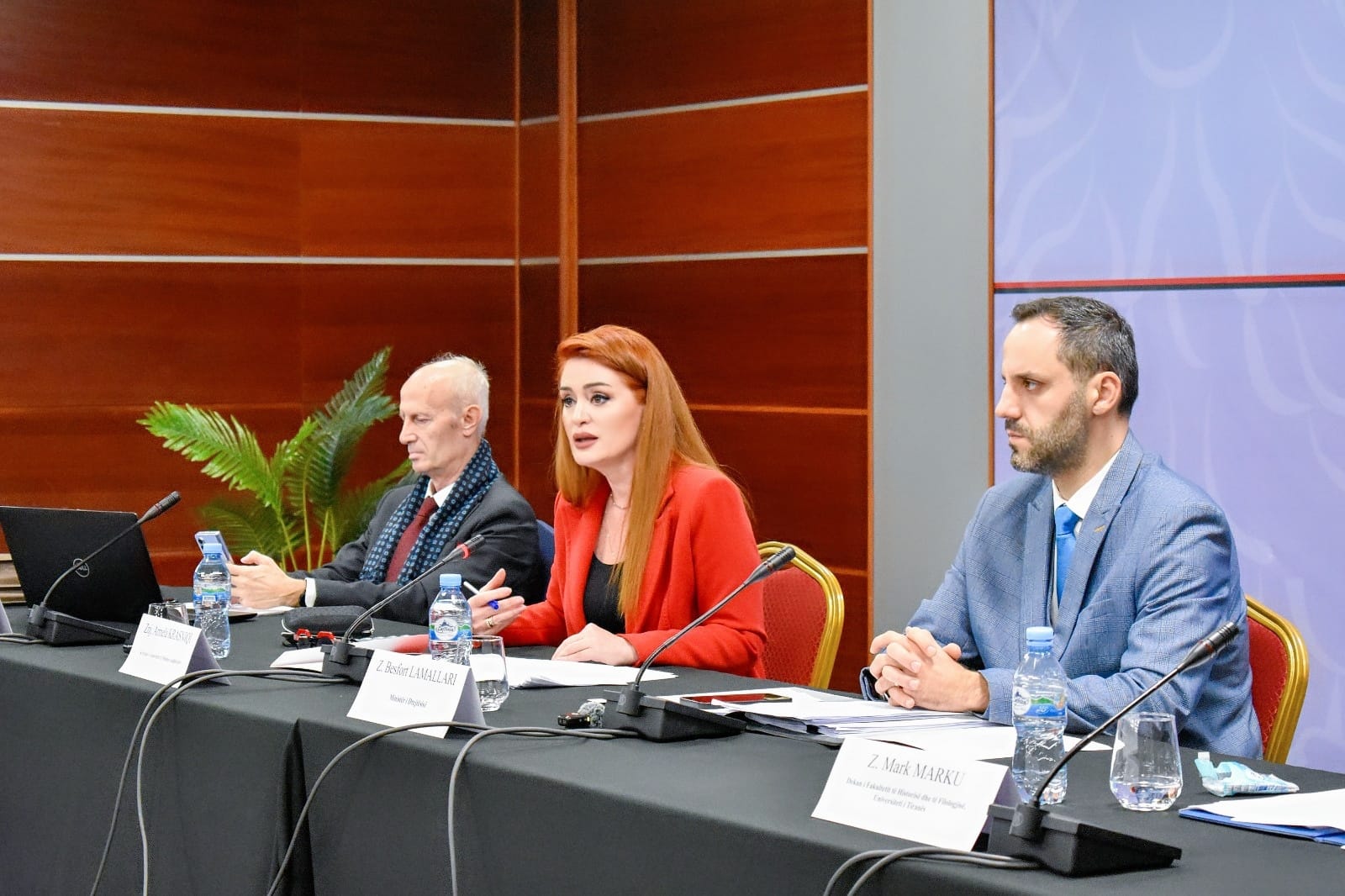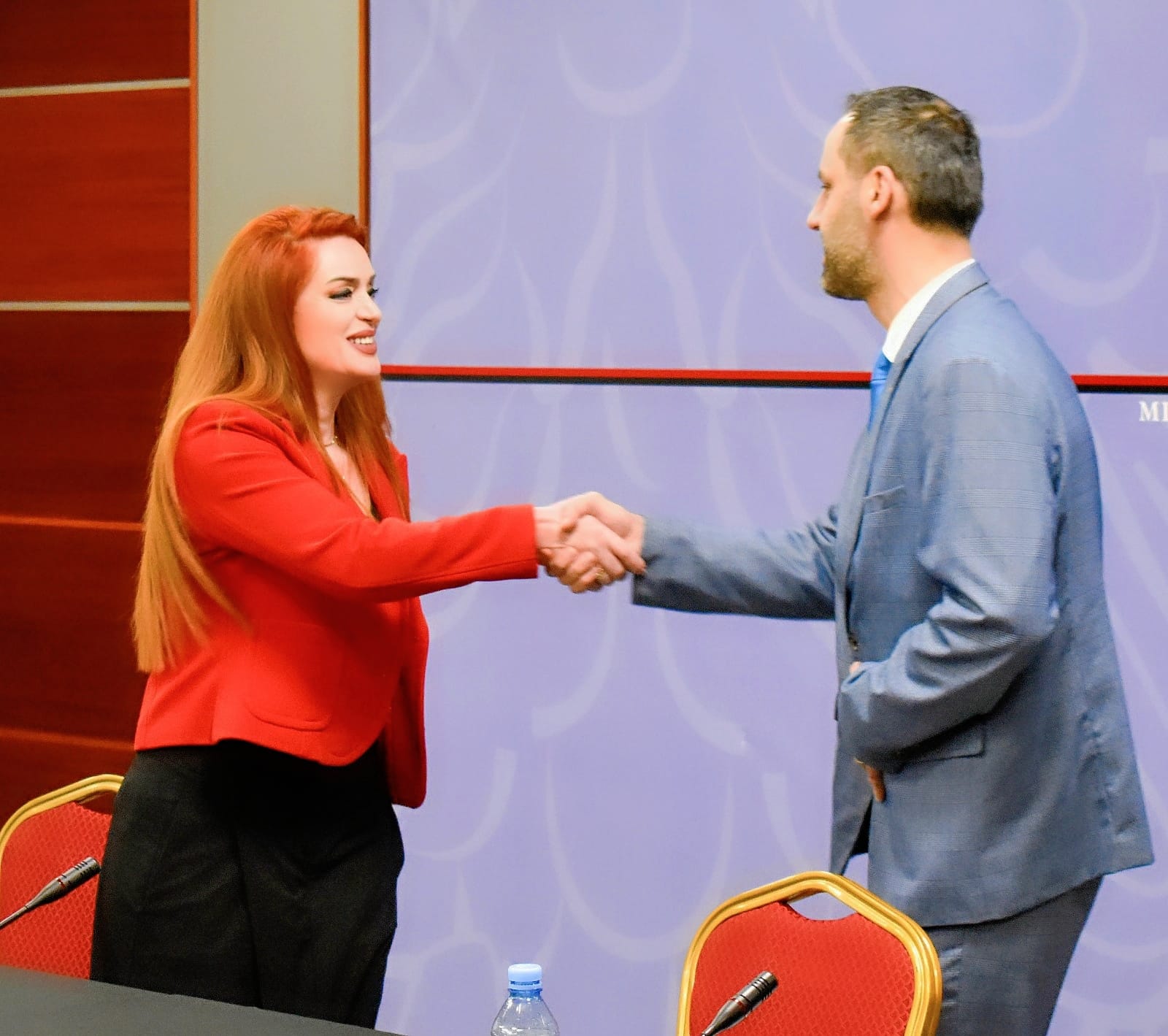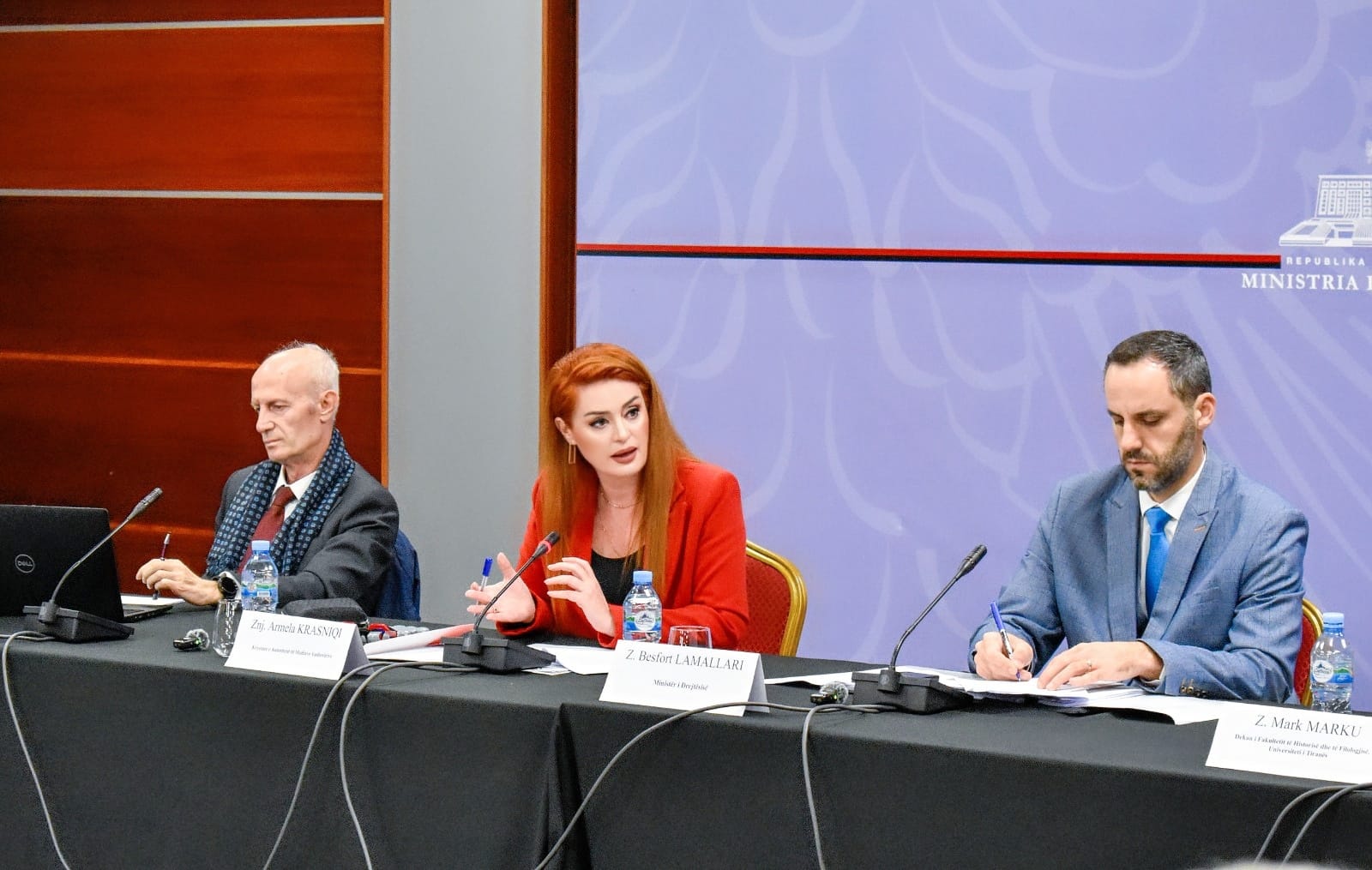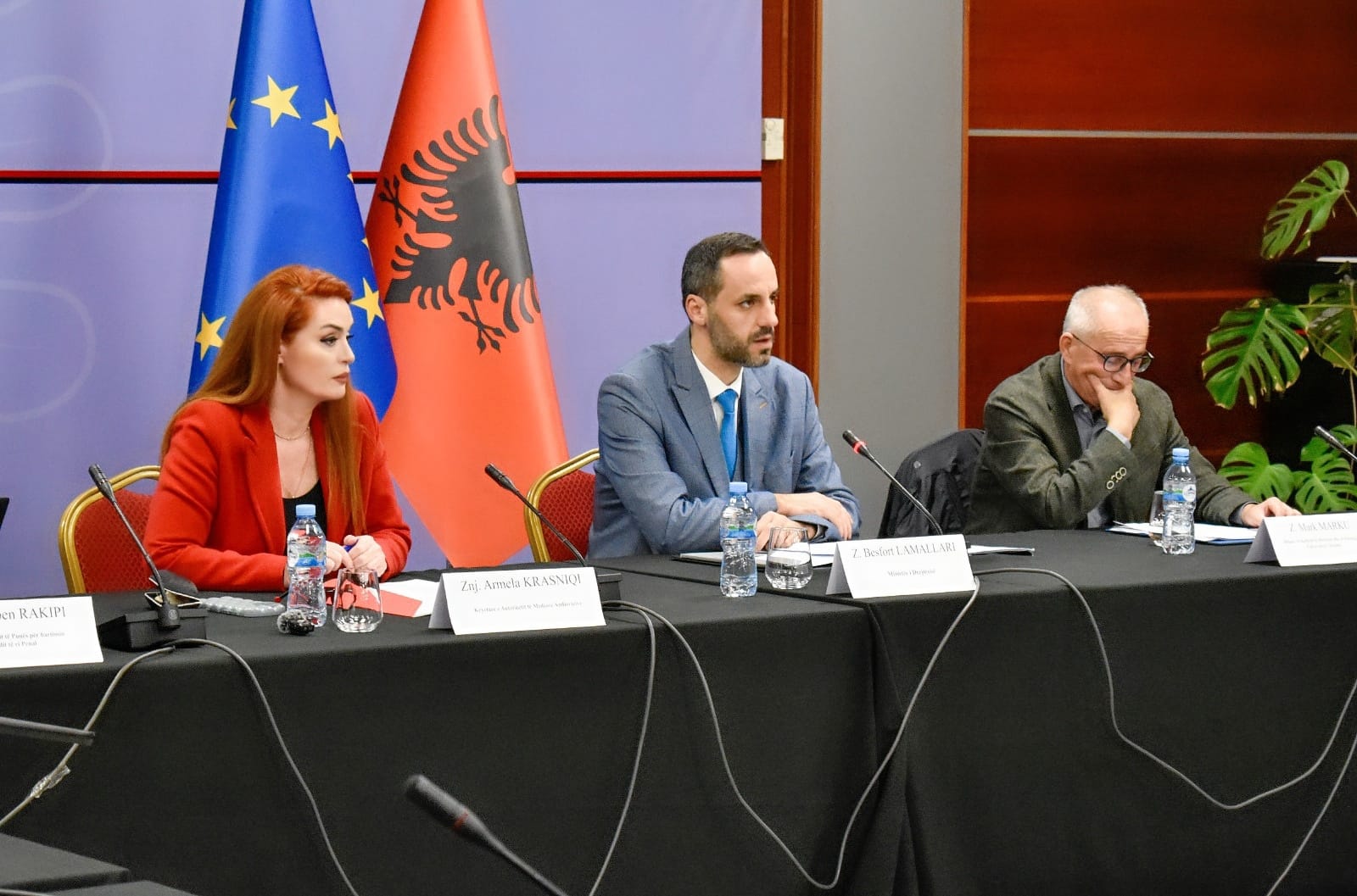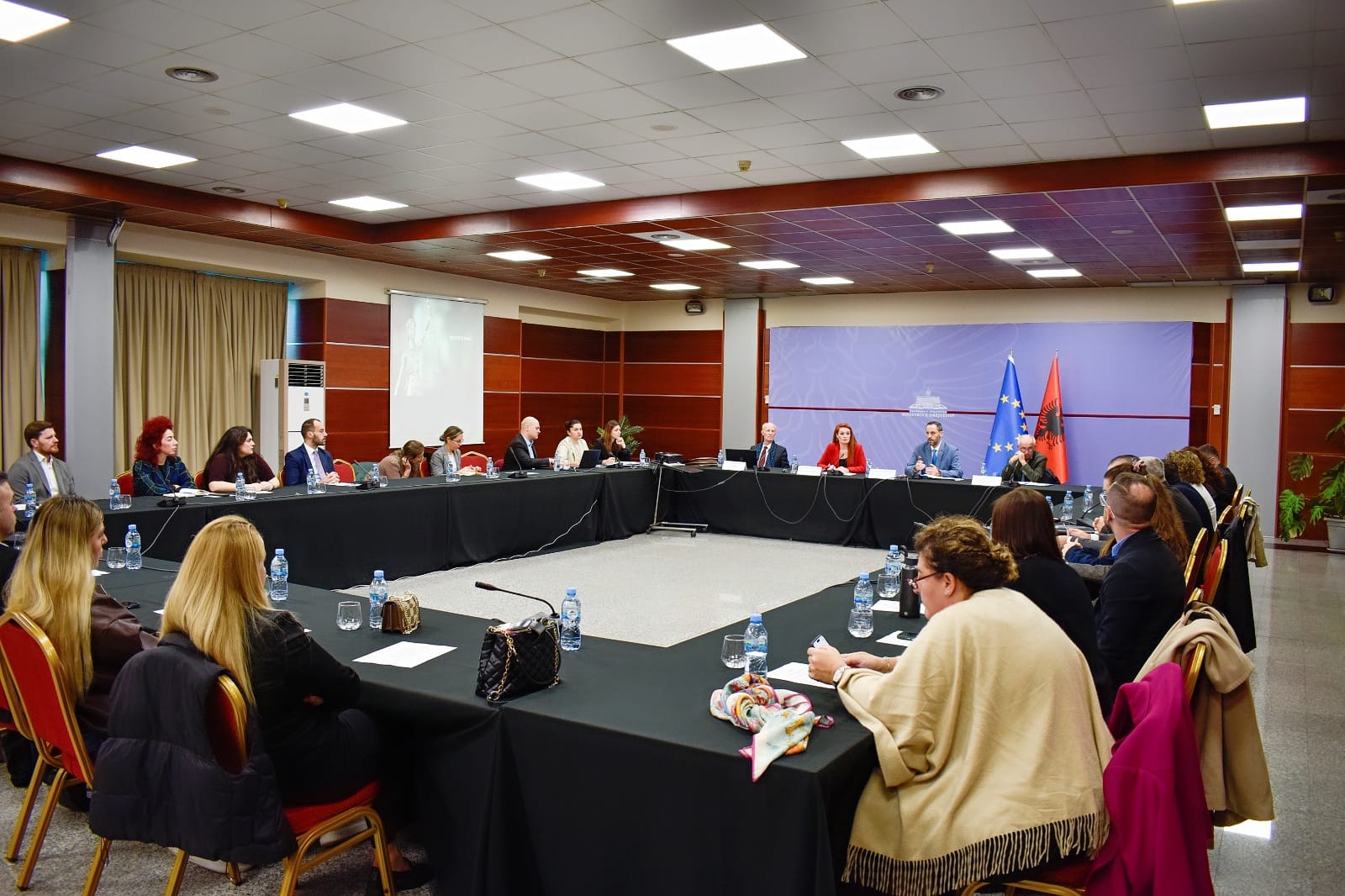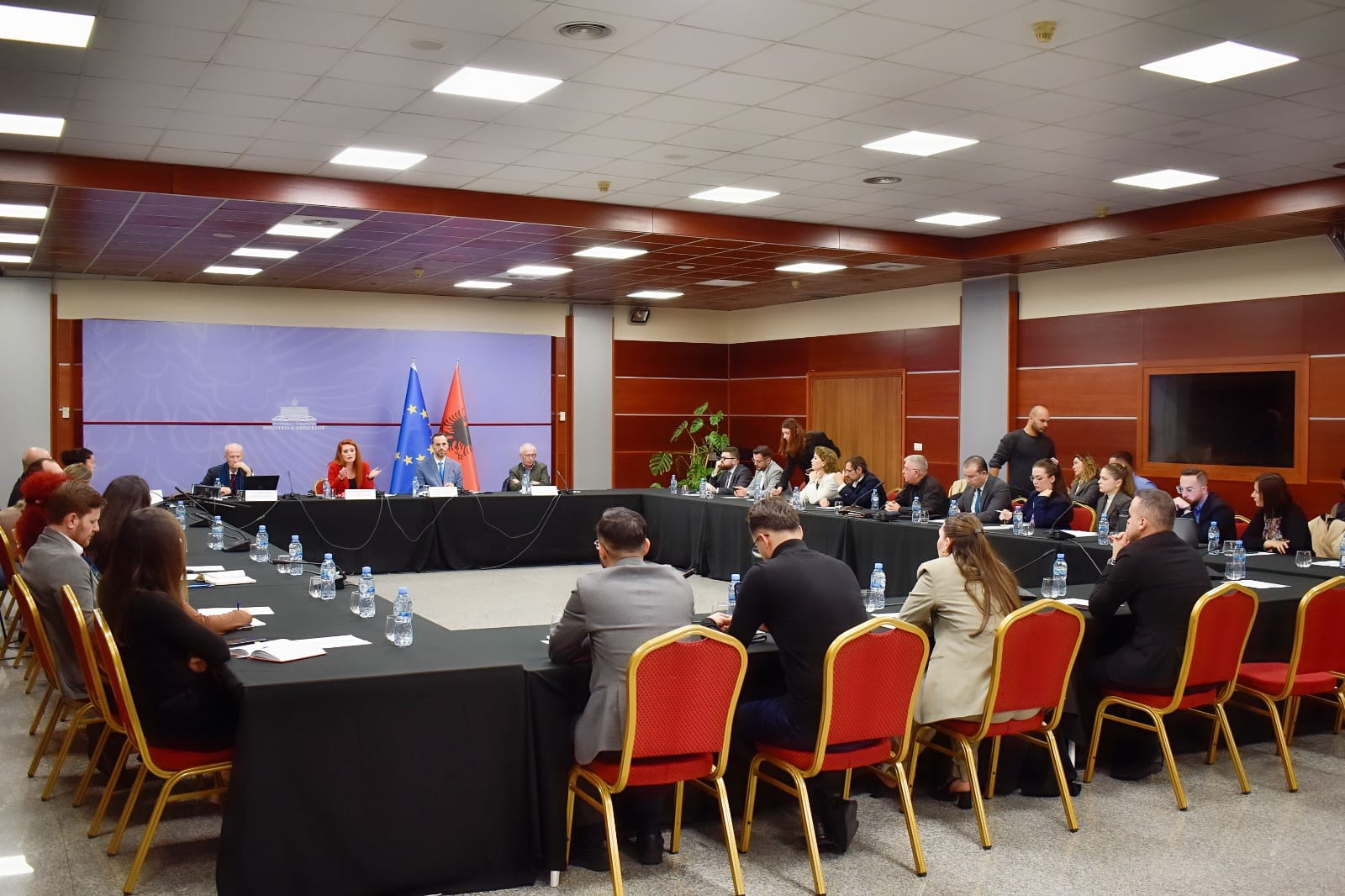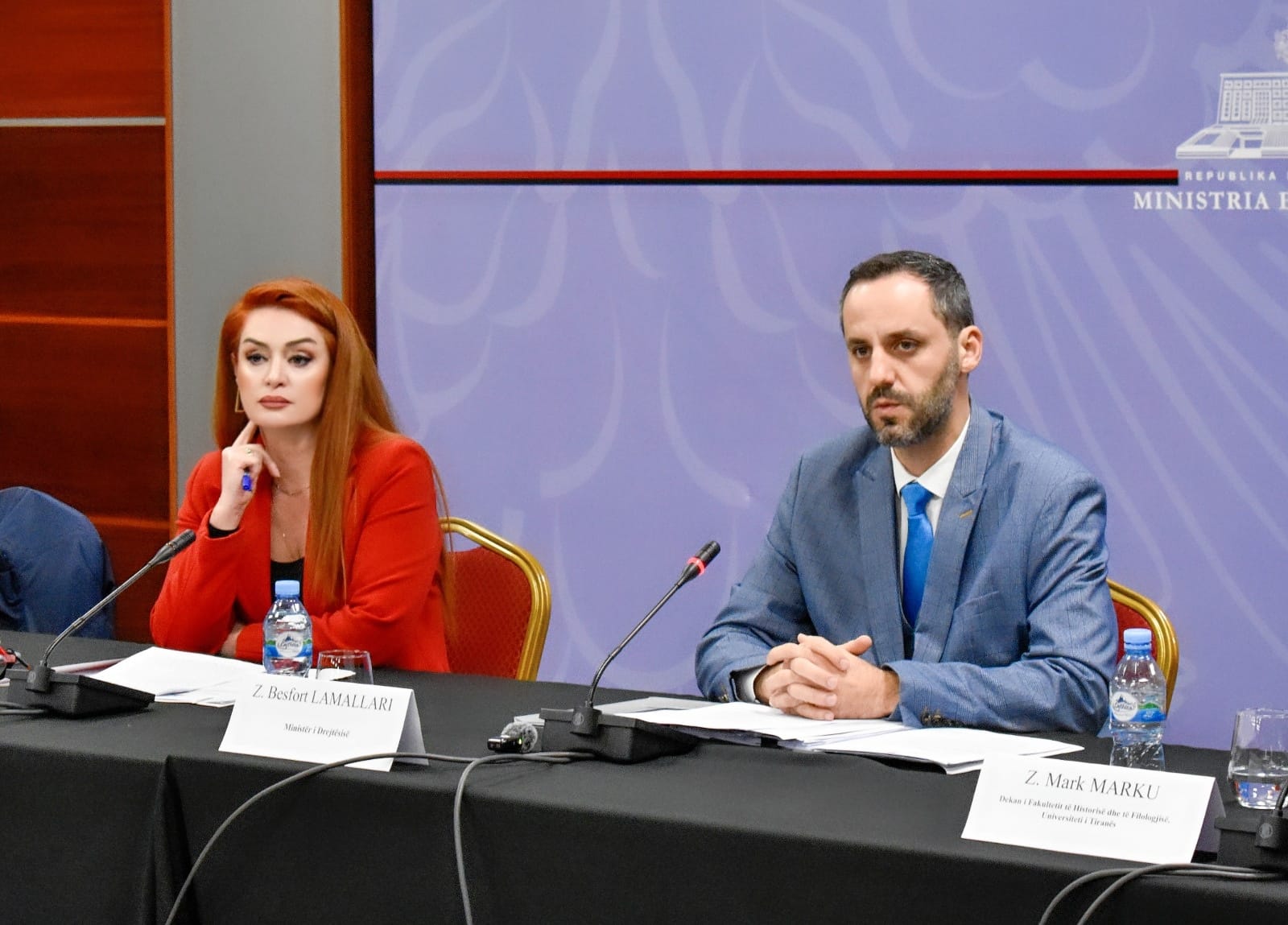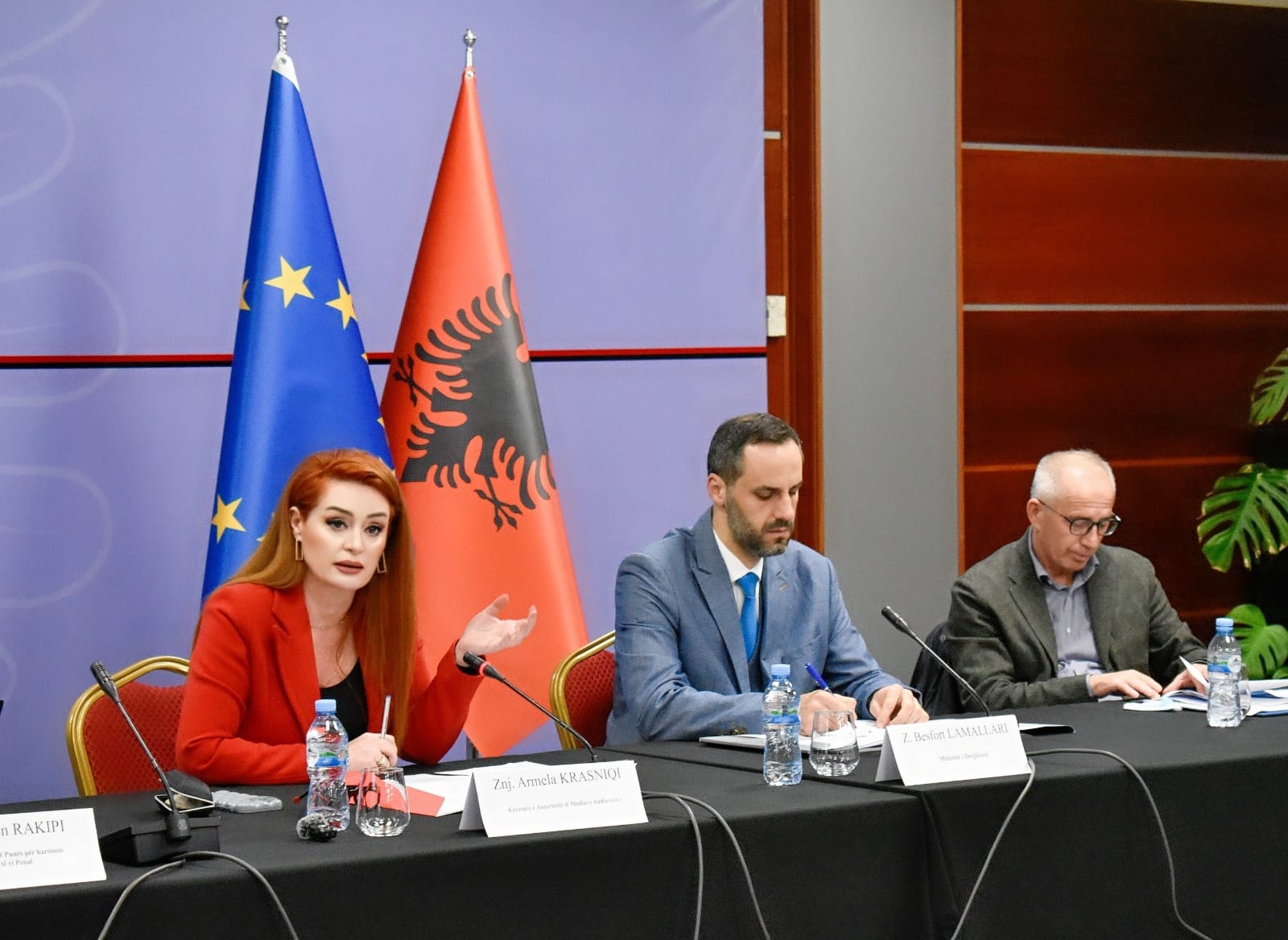


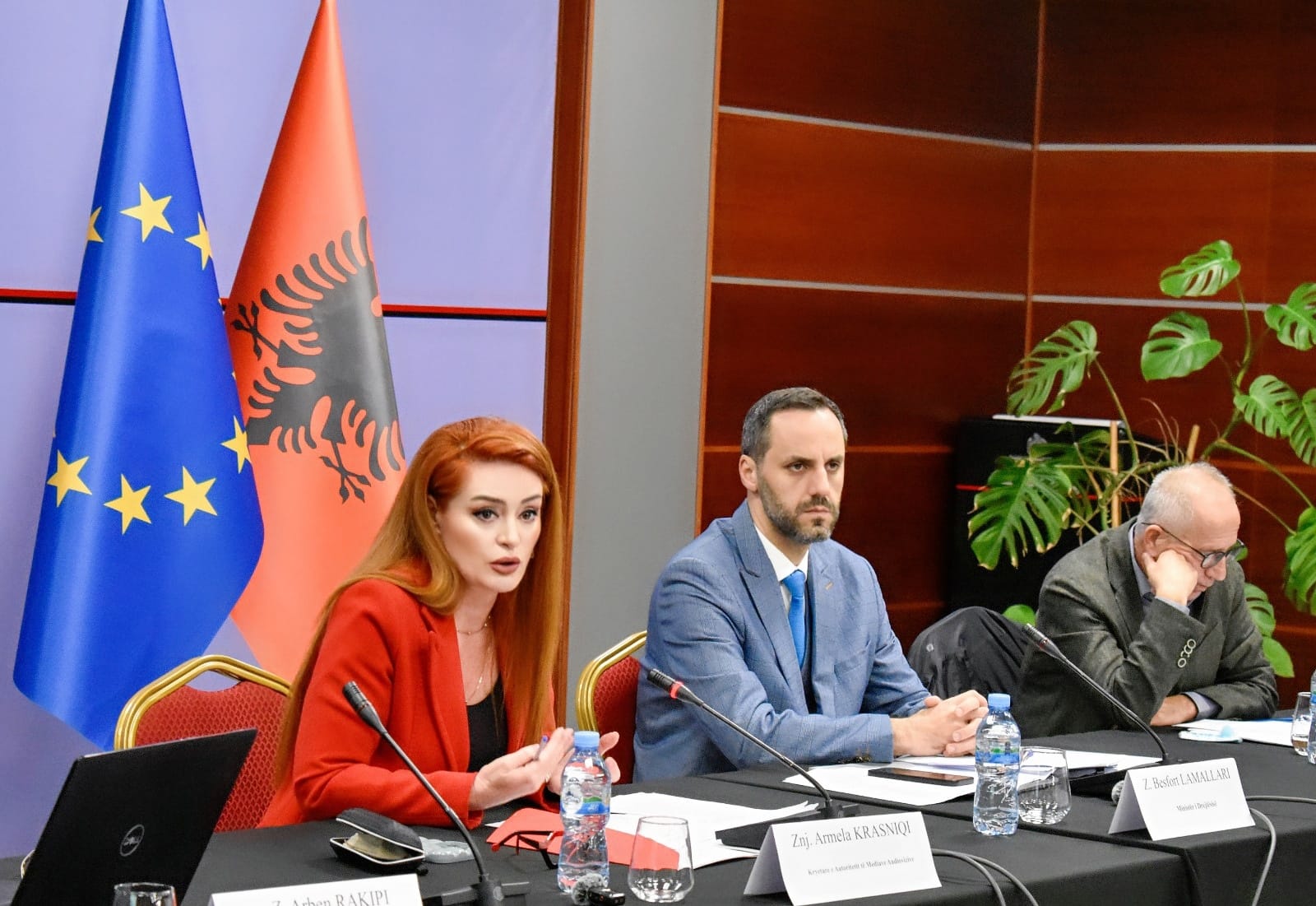
The Audiovisual Media Authority Chair, Ms. Armela Krasniqi, took part today in the consultative roundtable on the new Criminal Code draft, organized by the Ministry of Justice.
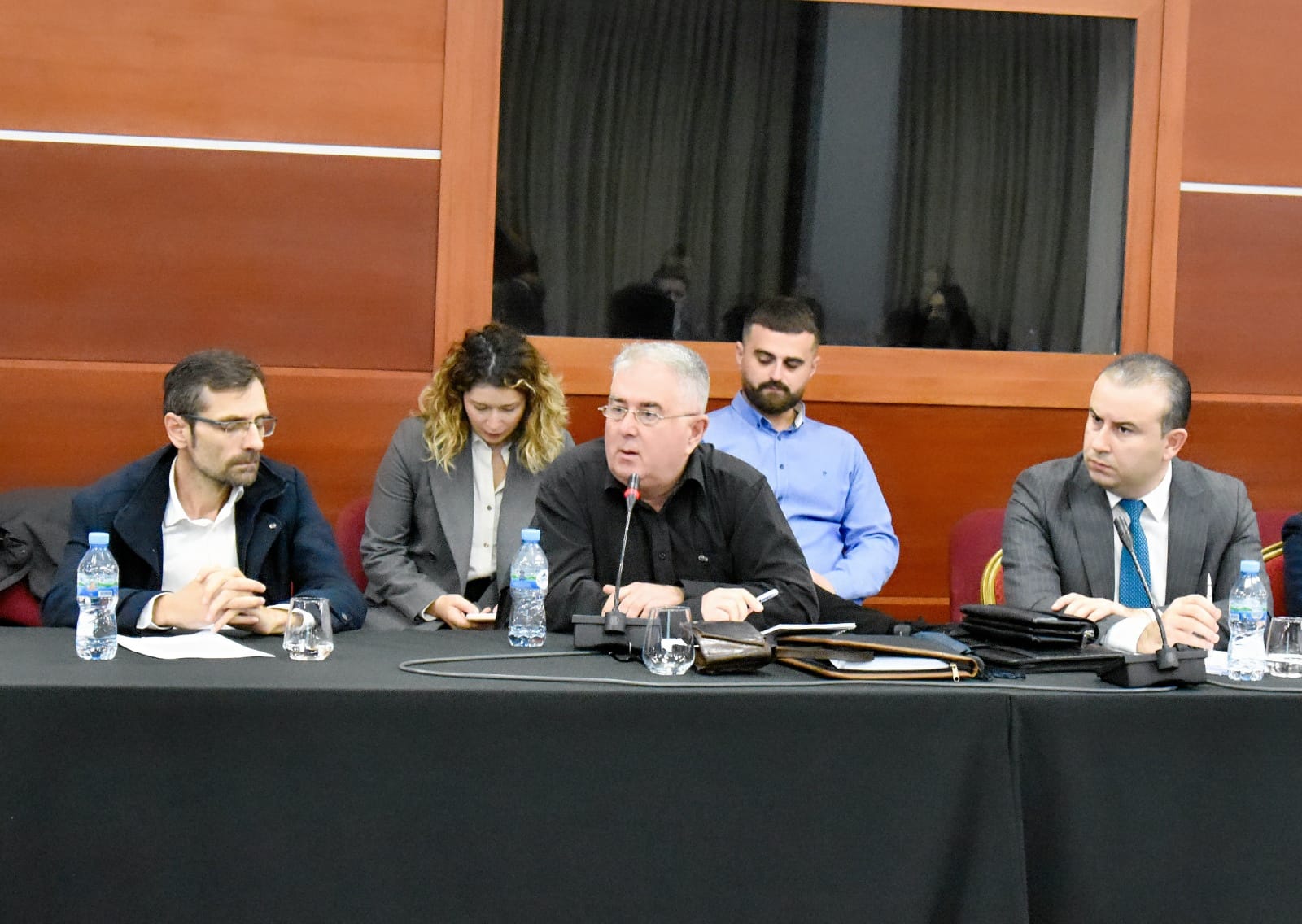
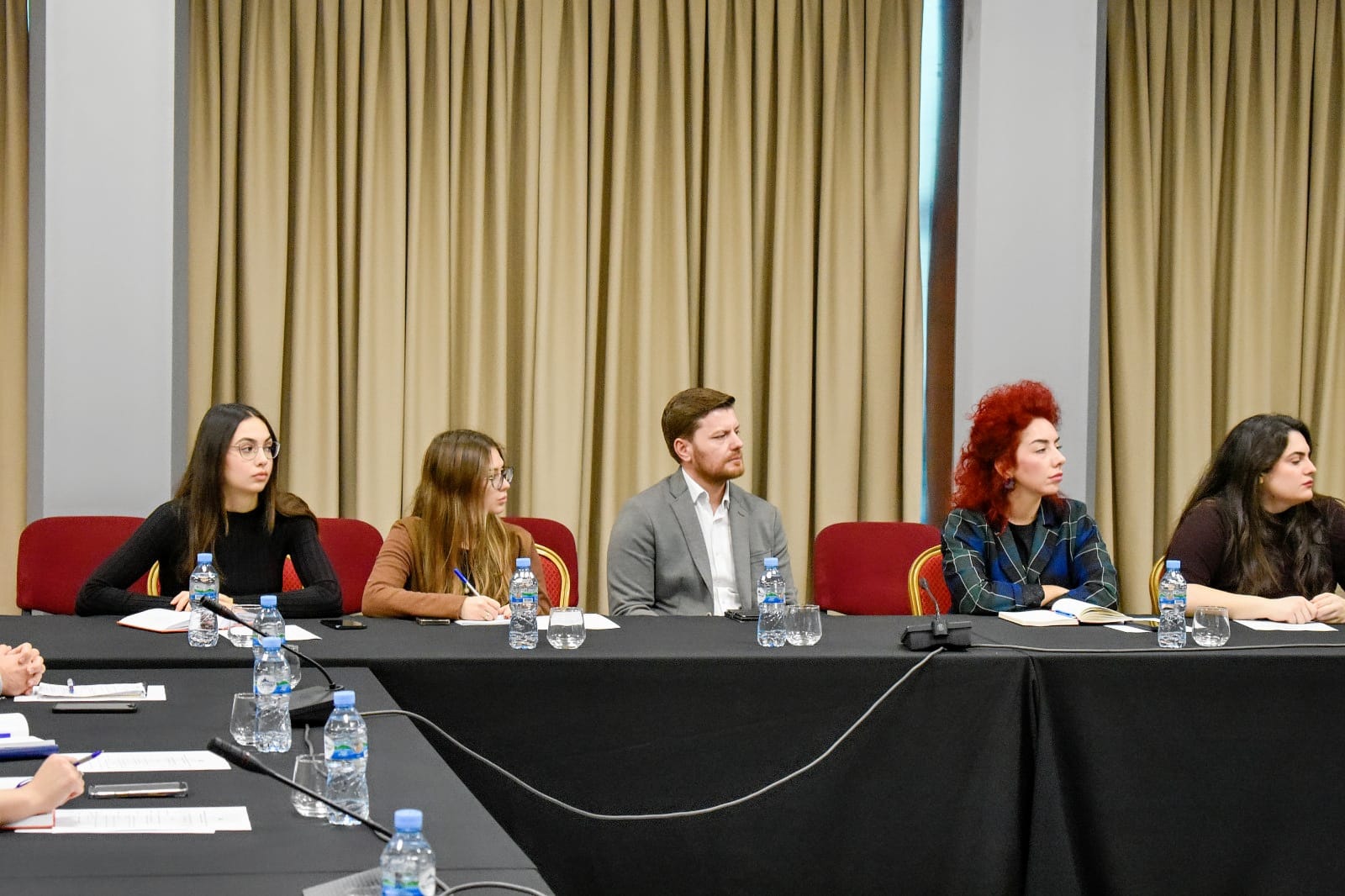
With the participation of the Minister of Justice, Besfort Lamallari; the Head of the Council of Europe Office in Tirana, Giulia Re; the head of the working group for drafting the new Criminal Code, Arben Rakipi along with other members of the group, as well as AMA’s Chair, Armela Krasniqi; the Dean of the Faculty of History and Philology, Mark Marku; journalists and representatives of journalists’ associations, the meeting focused on discussing the concrete proposals of these actors regarding the Criminal Code draft.
“In our work, Freedom of Expression and the Right to Information, beyond being fundamental human rights, serve as guiding principles for the audiovisual market regulatory activity. Based on these rights and in full respect of professional journalism standards, as well as the Council of Europe principles, the European Convention on Human Rights and international standards, we’ve formulated some suggestions on the Criminal Code draft, specifically regarding Articles 235, 267, 536, 863, and 865”, stated AMA’s Chair Ms. Krasniqi.
The Audiovisual Media Authority Chair referred to Article 235, which treats ridicule, contempt or denigration of state institutions as a criminal offense punishable by up to 3 years in prison. According to her, this provision leaves room for misinterpretation, particularly when linked to media activity.
“From the media perspective and the treatment of journalists, we believe that any political criticism, satire, caricature, or investigative article could be interpreted as “desecration” or ‘denigration’ of institutions. Journalists risk criminal punishment for legitimate forms of democratic criticism. They risk self-censorship to avoid criminal interpretations of “desecration”, as cited in this article (Article 235). Satirical programs, political commentary, caricatures, or critical posts on social media could be considered “ridicule” under the definition set out in this article of the Criminal Code. I must add here that there is no clear legal definition of the concepts of “ridicule”, “contempt” or “denigration”, stated Ms. Krasniqi.
AMA’s Chair also addressed Article 267, “Unauthorized acquisition, processing and dissemination of data”, highlighting several provisions that pose challenges for the media.
“First, the use of the term ‘media’ in a criminal context. Paragraphs 3 and 5 of this article, stipulate for prison sentences when the unlawfully obtained data is published in the media or on communication platforms. This wording does not distinguish between lawful publication in the public interest and publication with harmful intent. The media may be penalized even when publishing verified material of public importance (for example, corruption or abuse of power) if that material was “obtained” from a source lacking authorization. Beyond this, we raise concerns regarding the prejudice of Freedom of Media and the Right to Information”, clarified Ms. Krasniqi, noting that Article 22 of the Albanian Constitution and Article 10 of the European Convention on Human Rights guarantee the right to receive and impart information, including information originating from “unofficial sources”.
While commenting on this article, AMA’s Chair Ms. Armela Krasniqi brought up the case of Goodwin v. the United Kingdom (1996), settled in Strasbourg, which emphasized that journalists cannot be punished for publishing information in the public interest, even if the source of that information acted unlawfully.
Krasniqi also gave concrete suggestions regarding Article 536, “Interference with the Independence of the Court”, Article 863, “Insult” and Article 865, “Defamation”, all based on an analysis carried out in compliance with international standards and several principles derived from the Council of Europe recommendations and the European Convention on Human Rights.
“The draft lacks clear definitions for the terms “serious threat”, “opinion”, “media/online platforms,”, and “interference with judicial independence”. In our view, this leaves room for broad interpretations, which may often be incorrect. The removal of the requirement to prove that the journalist knew the information was false – this is contrary to European practice, where defamation as a criminal offense requires that the information be disseminated maliciously, particularly when it concerns public figures”, concluded Krasniqi, adding that she would like the draft of the new Criminal Code to provide greater special protection for journalists, media workers and flaggers.